Traditional Cottage Pie: The Ultimate Cozy Beef & Mash Comfort Food
There are few dishes that evoke such a powerful sense of warmth and nostalgia as a classic,
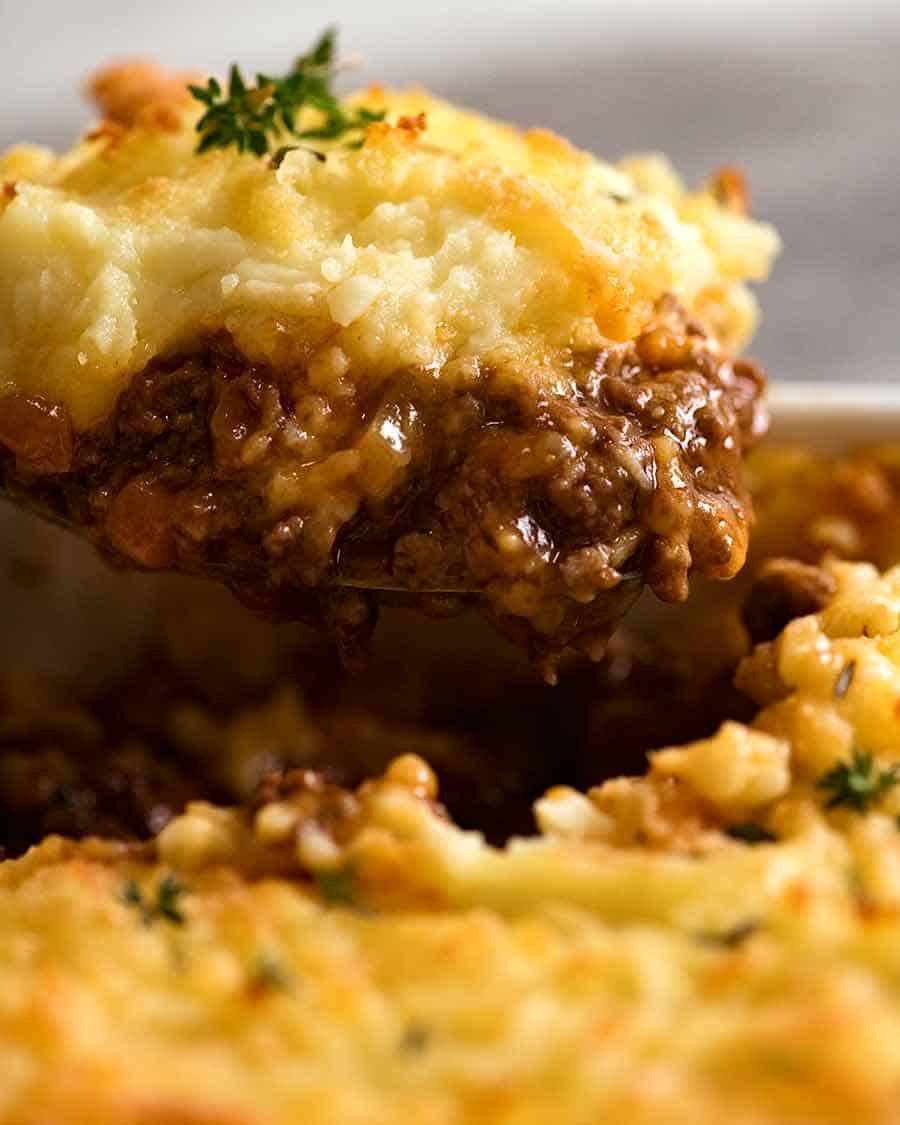
traditional cottage pie. Imagine a rich, savory ground beef filling, brimming with tender vegetables in a deeply flavored gravy, all crowned with a majestic blanket of creamy, golden-baked mashed potatoes. This isn't just a meal; it's a culinary hug, a quintessential British comfort food that has graced family tables for generations, promising satisfying sustenance and pure coziness with every forkful. Perfect for a chilly evening or simply when you crave something truly soul-satisfying, cottage pie is a timeless classic that delivers on taste, value, and comfort.
What Exactly is Traditional Cottage Pie? Understanding the British Classic
At its heart, a traditional cottage pie is a hearty casserole distinguished by its specific ingredients and preparation. The foundation is a luscious filling made primarily from
ground beef (minced beef in the UK), often combined with aromatic vegetables like finely diced carrots, onions, and peas. This mixture is simmered in a rich, savory gravy until tender and bursting with flavor. The crowning glory, undoubtedly, is the generous layer of fluffy, buttery mashed potatoes, which, when baked, forms a beautiful golden crust, adding a delightful textural contrast to the tender meat below.
While the concept of meat topped with potatoes might seem universal, the cottage pie holds a special place in British culinary heritage. It originated as a resourceful way for country folk (hence "cottage") to use up leftover roasted meat, particularly beef. This tradition continues today, making it a fantastic dish for repurposing Sunday roast leftovers or starting fresh with budget-friendly ground beef.
Cottage Pie vs. Shepherd's Pie: The Key Distinction
It's common for these two beloved dishes to be confused, but there's a straightforward rule to tell them apart:
* **Traditional Cottage Pie** uses
beef (minced or leftover roast beef).
* **Shepherd's Pie** uses
lamb (minced or leftover roast lamb).
This distinction is crucial to its identity. While both are comforting meat-and-potato casseroles, the type of meat is the defining factor. The term "shepherd" naturally implies lamb, given shepherds tend to sheep, while "cottage" historically referred to the beef-eating populace. For a deeper dive into their fascinating differences and shared history, explore our article on
Cottage vs. Shepherd's Pie: Decoding the British Comfort Classic.
Why Cottage Pie Reigns Supreme as Comfort Food
The appeal of
traditional cottage pie goes beyond just its delicious taste; it embodies everything we look for in comfort food:
* **Unrivaled Heartiness:** It’s a complete meal in one dish, packed with protein, vegetables, and carbohydrates, guaranteed to fill you up and keep you warm.
* **Simple, Wholesome Ingredients:** Made with everyday ingredients, it feels honest and nourishing, like food prepared with love.
* **The Perfect Texture Contrast:** The creamy, soft potatoes give way to the robust, meaty filling, creating an incredibly satisfying mouthfeel.
* **Nostalgic Charm:** For many, it's a taste of childhood, evoking memories of family meals and cozy evenings at home.
* **Adaptable & Forgiving:** It’s hard to mess up a good cottage pie, making it a favorite for home cooks of all skill levels.
The Art of Crafting Your Perfect Traditional Cottage Pie
Creating a superb traditional cottage pie involves attention to both the rich meat filling and the luscious potato topping.
Mastering the Beef Filling
The key to a truly flavorful beef filling lies in building layers of taste.
1. **Start with Aromatics:** If using fresh ground beef, begin by browning it in a hot pan. Once browned, drain any excess fat. Then, sauté your finely diced onions, carrots, and perhaps some celery or garlic until softened and fragrant. These "aromatics" are crucial for developing deep, well-rounded flavors.
2. **Flavorful Foundation:** Add the ground beef back to the pan with the softened vegetables. Introduce a good quality beef broth or stock. This is where your gravy base begins. If you happen to have leftover gravy from a roast, by all means, use it! Otherwise, a homemade sauce thickened with a little flour or cornstarch will be equally delicious.
3. **Seasoning & Simmering:** Season generously with salt, pepper, and perhaps a touch of Worcestershire sauce for umami, or fresh herbs like thyme and rosemary. Stir in your peas towards the end of cooking to retain their vibrant color and texture. Let the mixture simmer gently, allowing the flavors to meld and the gravy to thicken into a rich, unctuous consistency. This slow simmer is vital for tenderizing the meat and vegetables.
Achieving the Perfect Mashed Potato Topping
The potato topping isn't just an afterthought; it's an integral part of the experience.
1. **Choose the Right Potatoes:** Starchy potatoes like Russets or Maris Pipers are ideal for mashing as they become wonderfully fluffy.
2. **Creamy & Buttery:** Boil your potatoes until fork-tender, then drain them thoroughly. Mash them with plenty of butter and a splash of warm milk or cream until smooth and creamy. Don't be shy with the seasoning – salt and pepper are essential. For an extra rich flavor, you can even stir in a spoonful of cream cheese or a pinch of garlic powder.
3. **The Golden Crust:** Spread the mashed potatoes evenly over the beef filling. For that iconic golden, slightly crispy top, rough up the surface with a fork, creating little peaks and valleys. This provides more surface area to crisp up in the oven. A sprinkle of grated cheese (like cheddar or Parmesan) before baking can add another layer of flavor and a beautiful golden-brown finish.
Budget-Savvy & Batch Cooking: Making Cottage Pie Work for You
Beyond its comforting appeal, the
traditional cottage pie is also an incredibly economical and practical dish, perfectly suited for the modern home cook looking to make the most of their budget and time.
* **Economical Ingredients:** Ground beef, potatoes, and root vegetables are generally inexpensive staples. When bought in larger quantities, these ingredients often offer better value per portion, making cottage pie an excellent choice for feeding a family without breaking the bank.
* **Maximizing Leftovers:** As historically intended, cottage pie is superb for using up leftover roast beef, transforming it into a completely new and exciting meal. This prevents food waste and cleverly stretches your food budget.
* **Batch Cooking Brilliance:** Cottage pie is a dream for batch cooking. You can easily double or even triple the recipe, assemble it in multiple oven-safe dishes, and then:
* Bake one for dinner that night.
* Refrigerate another for a quick meal later in the week.
* Freeze the rest for future busy evenings. It freezes beautifully and reheats wonderfully, often tasting even better the next day as the flavors have had more time to meld. For more smart strategies on how to cook economically and efficiently, check out our guide on
Budget-Friendly Cottage Pie: Smart Batch Cooking & Leftover Meals.
* **Portion Control for Smaller Households:** Don't feel you need a large family to enjoy cottage pie. Recipes can easily be downsized for one or two people by using smaller baking dishes, ensuring that smaller households can also enjoy this classic without excess waste or cost.
Conclusion
The
traditional cottage pie stands as a testament to the enduring power of simple, wholesome ingredients combined with clever cooking techniques. It's more than just a meal; it's a comforting ritual, a piece of culinary history, and a budget-friendly solution all rolled into one delicious, golden-topped package. Whether you're seeking to warm up on a cold night, make the most of your grocery budget, or simply indulge in a truly satisfying dish, this ultimate cozy beef and mash comfort food is always a superb choice. Gather your ingredients, prepare for an aroma that will fill your home with warmth, and get ready to enjoy a classic that never disappoints.